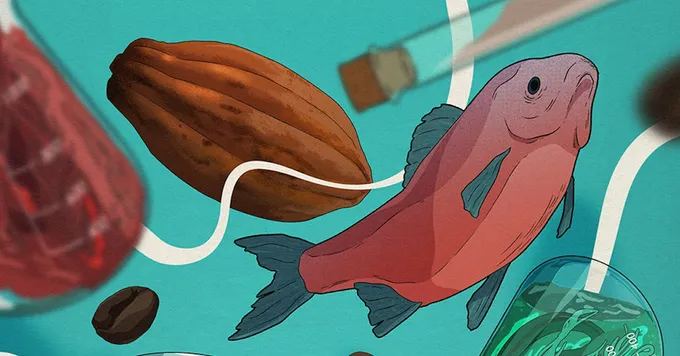
 The End Of Extraction
A historian shows that lab-made substitutes displacing natural commodities is a recurring pattern in capitalism, from madder dye to Mexican yams, and asks who should bear the cost. The historical sweep stays useful as synthetic biology advances.
Original article ↗- Slaves and Other "Artificial Intelligences": What the Classics Warn Us About AI
A classicist uses Greek and Roman myth and anecdote to show that the dream of effortless, artificial intelligence has always rested on hidden human labor. The ancient stories give the questions we ask about machines a longer shelf life than the current tools.
Original article ↗ 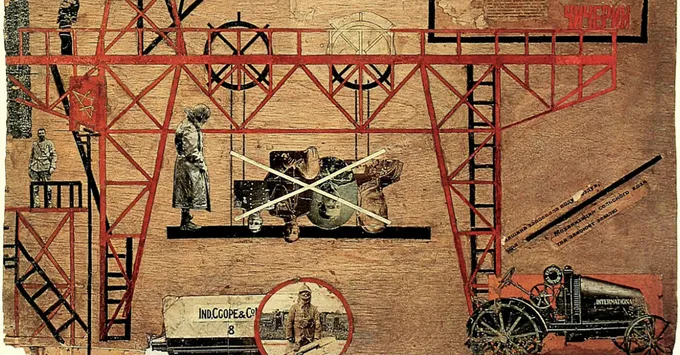 Dreams of a Better Life
A concise, humane look at how dissidents from Thoreau to Solidarity to Octavia Butler's fiction acted "as if" they were already free, and how that stance can change what becomes possible. It draws on history and literature, and the idea holds up well beyond any one moment.
Original article ↗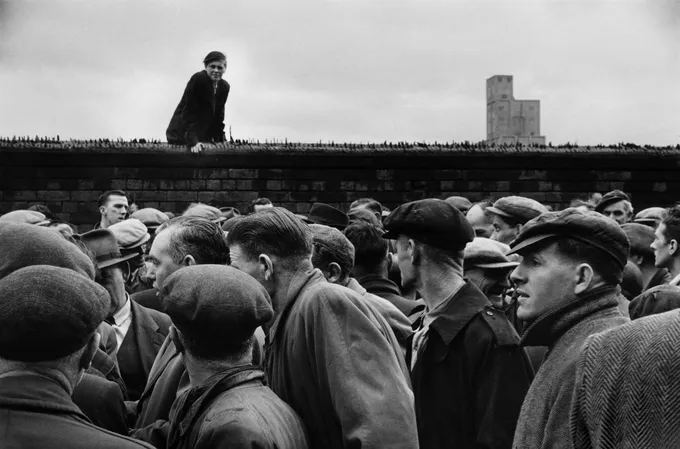 Equality talk
Bejan traces how the word "equality" came to mean what it does, and shows that its ambiguity is a source of its force rather than a flaw. It reframes a contested idea through a vivid episode from 1646.
Original article ↗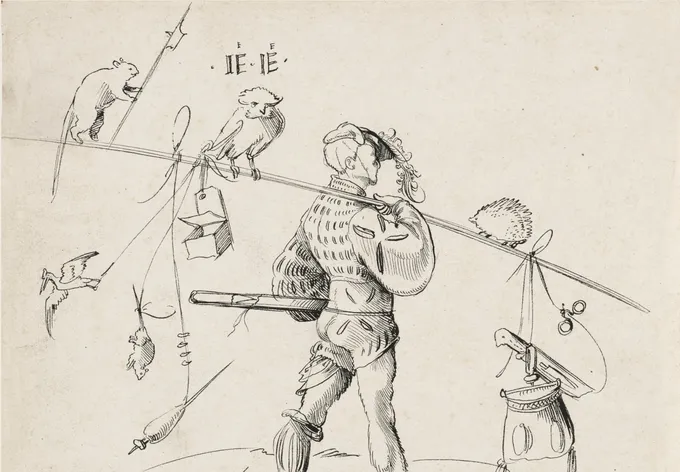 Soldiers of Misfortune: The Drawings of Urs Graf the Elder
A curator writes about Urs Graf, a Renaissance artist who was also a mercenary and a repeat offender. She shows how his drawings of soldiers and sex workers record the violence and moral confusion of early modern professional warfare. The essay is long and well illustrated, and it uses art, archival records and scholarship to look at a little-known and unsettling figure.
Original article ↗