

Boot Camp for Ordinary Fish
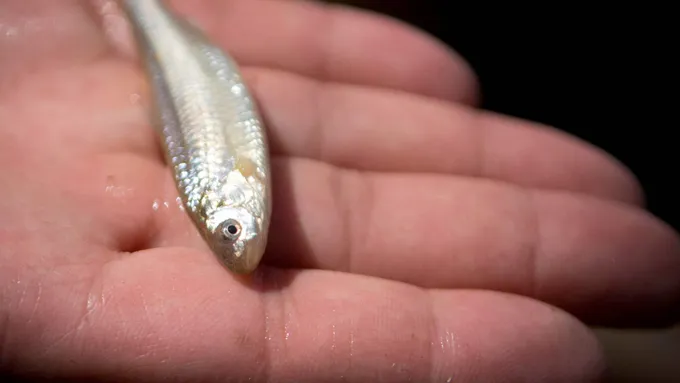
For about 20 years, aquaculturist Douglas Tave has worked on the Rio Grande silvery minnow, a small fish listed as endangered since 1994. With colleagues he built a refugium at Los Lunas, New Mexico. It is a replica river made of five ponds, and it received its first minnows in 2010.
The article’s central argument is that conventional hatcheries breed fish for numbers and for survival in tanks. That tends to produce animals that are bold, unafraid of predators and poor at finding live food. One study found captive-bred steelhead were about 40 percent less likely to reproduce. Some released hatchery fish survive at rates below one in 20. Researchers such as Culum Brown are now testing “life-skills training,” which teaches fish to recognise predators before release.
The refugium tries to keep wild behaviours intact. It uses native plants, wire barriers against herons and a river-like layout. Tave and his colleague found that the minnows prefer to spawn in simulated floodplains. That suggests levees and dams, which cut rivers off from their floodplains, are a major cause of the species’ decline. A similar project in Ontario bred redside dace naturally in captivity for the first time in 2022. Other researchers are matching tank colours to river backdrops and using soft releases.
The piece is candid about the limits. The refugium produces roughly 10,000 fish a year. Standard hatcheries released 210,000 silvery minnows in 2024. There is no long-term survival data showing that the refugium approach works better. Drought remains the biggest threat. The article concludes that hatchery fish can be taught to be wild, but they still need water and habitat to live in.